What Does It Mean to Be a Disciple of Jesus?
What does it mean to be a disciple of Jesus?
Short answer. A disciple is someone who follows Jesus with their whole life, not just their beliefs. In Scripture that means daily obedience (Luke 9:23), staying rooted in his teaching (John 8:31-32), loving others the way he loved us (John 13:34-35), and counting the cost honestly before signing up (Luke 14:27-33). It isn't a title you receive once and set aside. It's a way of living that reshapes what you want and who you become over time. It's learned, and it's slow.
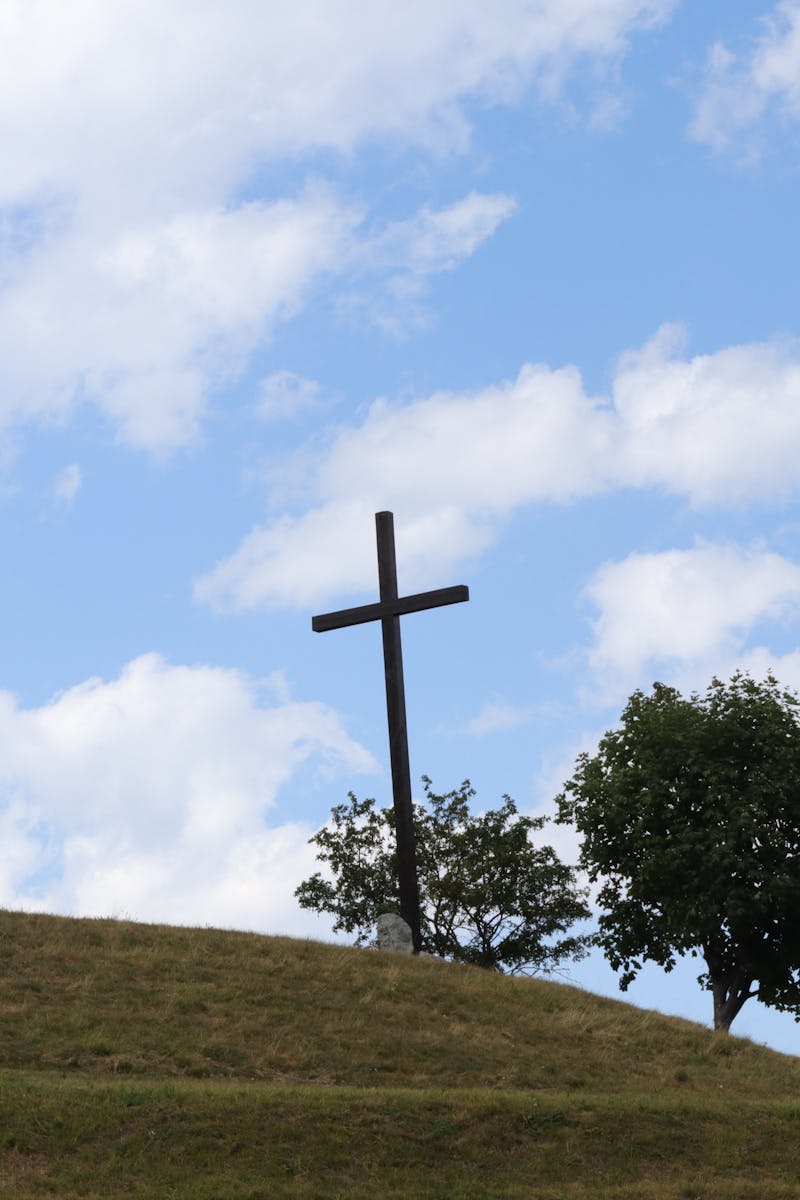
A disciple follows, daily, not once
The word Jesus uses in Luke 9:23 is deliberately physical. Deny yourself. Take up your cross. Follow me. And he adds one word that changes everything: daily. This was not a decision made once at an altar or in a moment of emotion. It was a posture to be repeated every morning, including the mornings you do not feel like it. In years of pastoral work I have met people who treat becoming a Christian like signing a form. It is done, filed, finished. But Jesus never talks that way. He talks about a road with a direction, and walking it is the discipleship. The cross he mentions was not a metaphor for hardship in general, it was a specific, humiliating instrument of death that his listeners understood only one way. To take it up daily is to keep choosing him over your own comfort, your own reputation, your own plans, again and again, long after the excitement of a first decision has faded. That is sobering. It is also honest. Jesus never oversold what following him would cost, and neither should we.
Luke 9:23
A disciple stays in his word, not just near it
Jesus draws a clear line between people who liked what he said and people who actually stayed with it. "If you abide in my word, you are truly my disciples, and you will know the truth, and the truth will set you free" (John 8:31-32, ESV). The condition comes first: abide. Remain. Keep dwelling in what he taught, long after the sermon or the retreat or the good week has ended. This matters because plenty of people admire Jesus without letting his word settle into their decisions. They will quote him, defend him, even argue for him, without actually living under what he said about money, anger, forgiveness or enemies. Abiding is different. It means his teaching becomes the place you return to when you are choosing how to respond to your boss, your marriage, your grief, your temptation. Not a verse you liked once, but a home you keep coming back to. Freedom, in this verse, is not the reward for correct belief alone. It is what happens to people who let his words actually govern them over time.
John 8:31-32
A disciple is known by love, not correctness
Jesus gave his followers one identifying mark, and it was not doctrinal precision or moral performance. "By this all people will know that you are my disciples, if you have love for one another" (John 13:34-35, ESV). This was said the night before his death, to men who would scatter, deny him, and argue about status within hours. He did not choose the most impressive marker available to him. He chose love, and specifically, love for one another inside the community of his followers, not love in the abstract. I find this the hardest part of discipleship to sit with, because it is so easy to check the other boxes. You can read your Bible, attend church, hold the right theology, and still be sharp and unkind to the people closest to you. Jesus said the world would not identify his disciples by their arguments won or their attendance record. They would know by watching how his people treated one another when it cost them something. That is a much harder test than sounding right.
John 13:34-35
Where this is not simple
Here is where honest teachers disagree. Some traditions treat every believer as automatically a disciple, since the New Testament often uses the words interchangeably (Acts 11:26 calls believers disciples with no further qualification). Others, following the pattern of Bonhoeffer's warning against "cheap grace", insist that discipleship is a distinct, costly step beyond bare belief, one many churchgoers never actually take. Luke 14:27-33 sharpens the problem. Jesus tells the crowds to count the cost before following him, using the image of a man who starts building a tower he cannot finish. That sounds like discipleship is a demanding choice you might reasonably decline. Yet Paul insists salvation is by grace through faith, not works, so no one can boast (Ephesians 2:8-9). How do you hold both without either turning grace into an achievement, or turning discipleship into an optional upgrade for the spiritually ambitious? I land here: grace saves you freely, and true saving faith always begins to walk. If there is no walking at all, over years, something is missing, not because you failed to earn it, but because that is what living faith does. I will not pretend that is a fully comfortable answer. It is not meant to be.
If this is not theoretical for you
If reading this has left you feeling like a bad disciple, you are probably closer to understanding it than you think. Nobody who has actually tried to follow Jesus for any length of time feels like they have arrived. That tiredness is not a sign you are failing, it is often a sign the road is real. If what is weighing on you is not spiritual dryness but depression, burnout, addiction, or the aftermath of abuse, please hear me clearly: no amount of trying harder at discipleship will fix a medical or psychological condition, and Scripture never asks you to pretend otherwise. Faith and good medical or professional care are not competitors. Seek both. A pastor can walk with you, pray with you, and open the word with you. That is not the same as therapy or medicine, and it was never meant to replace them.
Questions people ask
Is a disciple different from just being a Christian?
In the New Testament the words often overlap, and Acts 11:26 uses "disciples" simply to describe believers. But in common use today, many people mean something narrower: a Christian who is intentionally growing, obeying, and following, not just holding a belief. I think of it less as two separate categories and more as a call every believer is invited into, whether or not they have taken it up yet.
How do I actually start becoming a disciple, not just a believer?
Start smaller than you think you need to. Read a passage of the Gospels regularly and let it actually change one decision this week. Find a handful of people who will ask how you are really doing, and answer them honestly. Pray without performing. Discipleship grows in ordinary, repeated obedience, not in one dramatic moment.
If you want to go further
The Cost of Discipleship by Dietrich Bonhoeffer
As an Amazon Associate this site earns from qualifying purchases, at no extra cost to you.
Read next, from the author
Eleven of the twelve men who walked with Jesus died for refusing to say He stayed dead. This book follows what happened to each of them after the Gospels end: what the earliest sources record, what is tradition, and where the two part company. Written by Pastor Aguinaldo Santos, available on Kindle.
About the author
Written by Aguinaldo Santos, a Brazilian believer living in the United Kingdom. He writes Daily Faith Walk in the evenings, mostly about the things he is working through himself. Questions or a prayer request? Get in touch.
Keep Reading
- What Is Communion and What Does It Mean?
- What Is Eternal Life and How Do You Receive It?
- Be Still and Know That I Am God: Finding Peace in Psalm 46:10
- Bible Verses About Gratitude and Thanksgiving
- Cast Your Cares on Him: What 1 Peter 5:7 Really Means
- Finding Joy in Suffering: A Biblical Path Forward
- Finding Peace in God During Stressful Times
- How to Be a Light for Christ at Work


Comentários
Postar um comentário