Bible Verses for Overcoming Addiction
Addiction does not care how many times you have promised yourself this is the last time. If you are reading this at the end of another day you did not want to have, you are not the first Christian to sit exactly where you are sitting now. These verses were not chosen to shame you into trying harder. They were chosen because each one tells the truth about the fight you are in, and about a God who has not looked away from it.
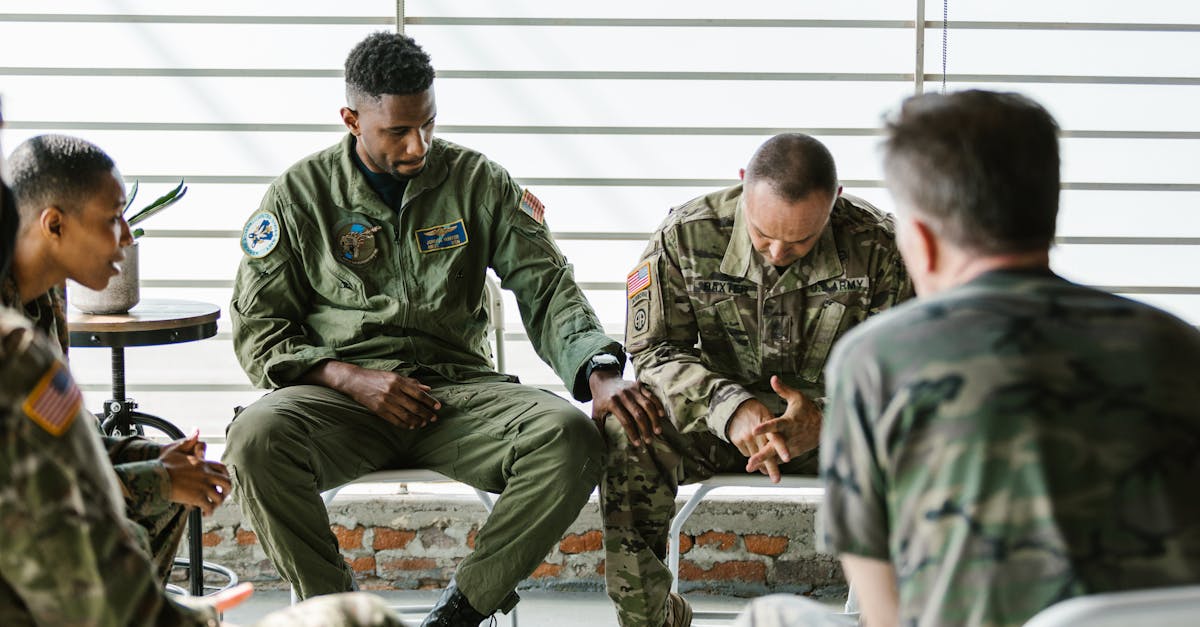
How to read a page like this
Do not read this page the way you would scroll past a headline. Slow down. Pick the group that matches where you are today, the craving, the shame, the exhaustion, the relapse, and read it twice before moving on. Say one verse out loud. Hearing your own voice say 'there is no condemnation' does something silent reading cannot. If a verse unsettles you or does not seem to fit, let it sit anyway. Scripture often works slowly, underneath. Choose one verse, just one, and try to learn it by heart this week. Write it on paper, not just your phone. When the craving comes at 11pm or 6am you want it already in you, not something you have to go looking for. This is not a formula. It is closer to keeping a steady voice near you when you cannot trust your own.
When the craving feels stronger than you are
There is no point pretending the fight is simple. Scripture does not pretend either. These verses name the pull of addiction honestly, as a real war inside a real person, and point to where strength for that war actually comes from.
For I do not understand my own actions. For I do not do what I want, but I do the very thing I hate.
Romans 7:15
Paul wrote this centuries before anyone had a word for addiction, yet it names the experience exactly: wanting one thing and doing another. If you have ever hated yourself at 2am for reaching for the thing again, this verse tells you Scripture already knew that feeling, and did not judge it as unusual.
For the desires of the flesh are against the Spirit, and the desires of the Spirit are against the flesh, for these are opposed to each other, to keep you from doing the things you want to do.
Galatians 5:17
This verse belongs here because it refuses the lie that the struggle should be easy if your faith were strong enough. Paul describes two real forces pulling against each other inside a believer. The tug of war you feel is not proof you are failing at Christianity, it is what Christianity, honestly described, actually feels like.
No temptation has overtaken you that is not common to man. God is faithful, and he will not let you be tempted beyond your ability, but with the temptation he will also provide the way of escape, that you may be able to endure it.
1 Corinthians 10:13
Notice the promise is not that temptation disappears. It is that an exit exists, every time, even if you cannot see it yet. In years of pastoral conversations this verse comes up constantly, and rightly so, but it is worth slowing down on the word 'endure'. Sometimes the way of escape is simply surviving the next ten minutes.
But he said to me, "My grace is sufficient for you, for my power is made perfect in weakness." Therefore I will boast all the more gladly of my weaknesses, so that the power of Christ may rest upon me.
2 Corinthians 12:9
Addiction forces you to face weakness you would rather hide. This verse turns that around without minimising it. Paul is not told his weakness will be removed, he is told it is the exact place where Christ's power shows up. That is strange comfort, but it is comfort.
When shame says you are too far gone
Shame has a particular voice in addiction, quieter and more persistent than ordinary guilt. These verses answer that voice directly, not by excusing what happened, but by telling the truth about where you stand with God now.
There is therefore now no condemnation for those who are in Christ Jesus.
Romans 8:1
This is the direct answer to the shame spiral that so often follows a relapse. It does not say 'no condemnation unless you slip'. It is a flat statement, and it belongs here precisely because shame wants to add conditions to it that the verse itself does not contain.
He does not deal with us according to our sins, nor repay us according to our iniquities. For as high as the heavens are above the earth, so great is his steadfast love toward those who fear him; as far as the east is from the west, so far does he remove our transgressions from us.
Psalm 103:10-12
East never meets west, no matter how far you travel. That image is chosen deliberately, not sentimentally, to describe something that cannot be measured or undone by distance. If you are keeping a mental tally of how many times you have failed, this verse was written to interrupt that tally.
Come now, let us reason together, says the LORD: though your sins are like scarlet, they shall be as white as snow; though they are red like crimson, they shall become like wool.
Isaiah 1:18
God's invitation here is to reason, not to grovel. This is spoken to a nation guilty of real, serious wrong, not minor failings, which is why it fits addiction so well. The deepest stains, scarlet and crimson, are the ones named, and they are the ones promised to change.
If we confess our sins, he is faithful and just to forgive us our sins and to cleanse us from all unrighteousness.
1 John 1:9
This verse is written for an ongoing practice, not a one-time transaction, which matters in recovery where confession can feel repetitive and humiliating. John assumes believers will keep needing it. Faithfulness here describes God, not your consistency.
For strength to get through today, not the rest of your life
Recovery is lived one day at a time, sometimes one hour at a time. These verses were chosen because they speak to that scale, present tense strength, rather than promising a finished future you cannot yet see.
The steadfast love of the LORD never ceases; his mercies never come to an end; they are new every morning; great is your faithfulness.
Lamentations 3:22-23
Written in the middle of genuine devastation, not casual hardship, this verse insists mercy is renewed daily. That daily rhythm matches how recovery actually works. You are not required to have enough grace stored up for next month, only enough for this morning.
Therefore do not be anxious about tomorrow, for tomorrow will be anxious for itself. Sufficient for the day is its own trouble.
Matthew 6:34
Jesus said this about worry over provision, but it translates directly to the fear of 'what if I slip again next month'. One day's trouble is enough to carry. Borrowing tomorrow's temptation today only adds weight you were never meant to hold yet.
I can do all things through him who strengthens me.
Philippians 4:13
This verse gets stretched to mean almost anything, so it is worth being honest about its context: Paul wrote it about being content whether he had plenty or little, not about superhuman achievement. Read rightly, it fits sobriety well. Getting through today with less than you want, by Christ's strength, is exactly the kind of thing Paul meant.
God is our refuge and strength, a very present help in trouble.
Psalm 46:1
Present help, not eventual help. This verse belongs in this group because of its tense. When the craving hits now, this is a help offered now, a refuge you can step into in the actual moment rather than a promise for some future stable version of yourself.
When you fall again and want to stop trying
Relapse is where many people quietly give up, not because God has given up on them but because they assume he has. These verses were chosen because they were written for the moment of falling, not just the moment of standing.
For the righteous falls seven times and rises again, but the wicked stumble in times of calamity.
Proverbs 24:16
The mark of righteousness here is not sinlessness, it is rising again. Seven is not a literal ceiling, it means repeatedly. If you have lost count of how many times you have started over, this verse says that counting does not disqualify you from the word 'righteous'.
Rejoice not over me, O my enemy; when I fall, I shall rise; when I sit in darkness, the LORD will be a light to me.
Micah 7:8
This is defiance spoken from inside the fall, not after it. Micah does not wait until he is standing again to declare hope. He speaks it while sitting in the dark, which is exactly where the voice of relapse tries to convince you that hope is premature.
The LORD is near to the brokenhearted and saves the crushed in spirit.
Psalm 34:18
Nearness, not distance, is the promise after failure. Addiction often convinces you that shame pushes God away. This verse reverses that completely, placing him closest precisely when you feel most crushed, not after you have cleaned yourself up.
But while he was still a long way off, his father saw him and felt compassion, and ran and embraced him and kissed him.
Luke 15:20
The father runs before the son finishes his rehearsed apology. There is no interrogation about how many times this has happened before. This image belongs at the end of this group because it is what returning to God after a relapse is actually meant to look like.
Before you close this page
There is no single verse that ends an addiction the moment you read it, and anyone who tells you otherwise has not sat with people in the middle of this. What Scripture offers is something steadier: a God who names the war honestly, who does not flinch at relapse, who keeps inviting you back rather than keeping score. If you are fighting an addiction, please do not treat this page as a replacement for a doctor, a counsellor, or a recovery group. Those are often exactly how God provides the 'way of escape' Paul wrote about. Come back to these verses on the hard nights. Read them on the good weeks too, so they are already familiar before the next hard night arrives.
Lord, you know the exact shape of what I am fighting, better than I know it myself. Thank you that in Christ there is no condemnation over me, even today, even after today. Where I am weak, let your power be made perfect, and where I fall, lift me up again as you have promised. Give me strength for this day only, not the whole road ahead, because today is what I can carry. Keep me honest about what I need to get well, and keep me close to you while I find it. Amen.
Where to get help
Faith and prayer matter, and so does real-world help. If you or someone you love is struggling, please reach out today. If anyone is in immediate danger, call your local emergency number (999 in the UK, 911 in the US).
- UK: FRANK drug advice, 0300 123 6600
- US: SAMHSA National Helpline, 1-800-662-4357 (free, confidential, 24/7)
- Alcohol: Alcoholics Anonymous meetings in most towns worldwide
If you want to go further
Addictions: A Banquet in the Grave by Edward T. Welch
As an Amazon Associate this site earns from qualifying purchases, at no extra cost to you.
Read next, from the author
Eleven of the twelve men who walked with Jesus died for refusing to say He stayed dead. This book follows what happened to each of them after the Gospels end: what the earliest sources record, what is tradition, and where the two part company. Written by Pastor Aguinaldo Santos, available on Kindle.
About the author
Written by Aguinaldo Santos, a Brazilian believer living in the United Kingdom. He writes Daily Faith Walk in the evenings, mostly about the things he is working through himself. Questions or a prayer request? Get in touch.
Keep Reading
- Can a Christian Be Depressed? What the Bible Says
- How to Calm Anxious Thoughts With Scripture
- How to Find Peace at Night When Your Mind Won't Stop
- What Does the Bible Say About Social Anxiety?
- Bible Verses About Anxiety: 25 Scriptures to Calm Your Heart
- Faith and Mental Health: What the Bible Actually Says
- Finding Hope After Failure: A Biblical Perspective
- Prayers for Every Situation: A Complete Collection


Comments
Post a Comment